Choosing where to raise your family is one of life's most consequential decisions. Bhaktapur — literally "City of Devotees" — offers a rare combination of cultural depth, physical safety, community warmth, and modern accessibility that few cities in Nepal, or even South Asia, can match.
A Living Cultural Heritage That Shapes Character
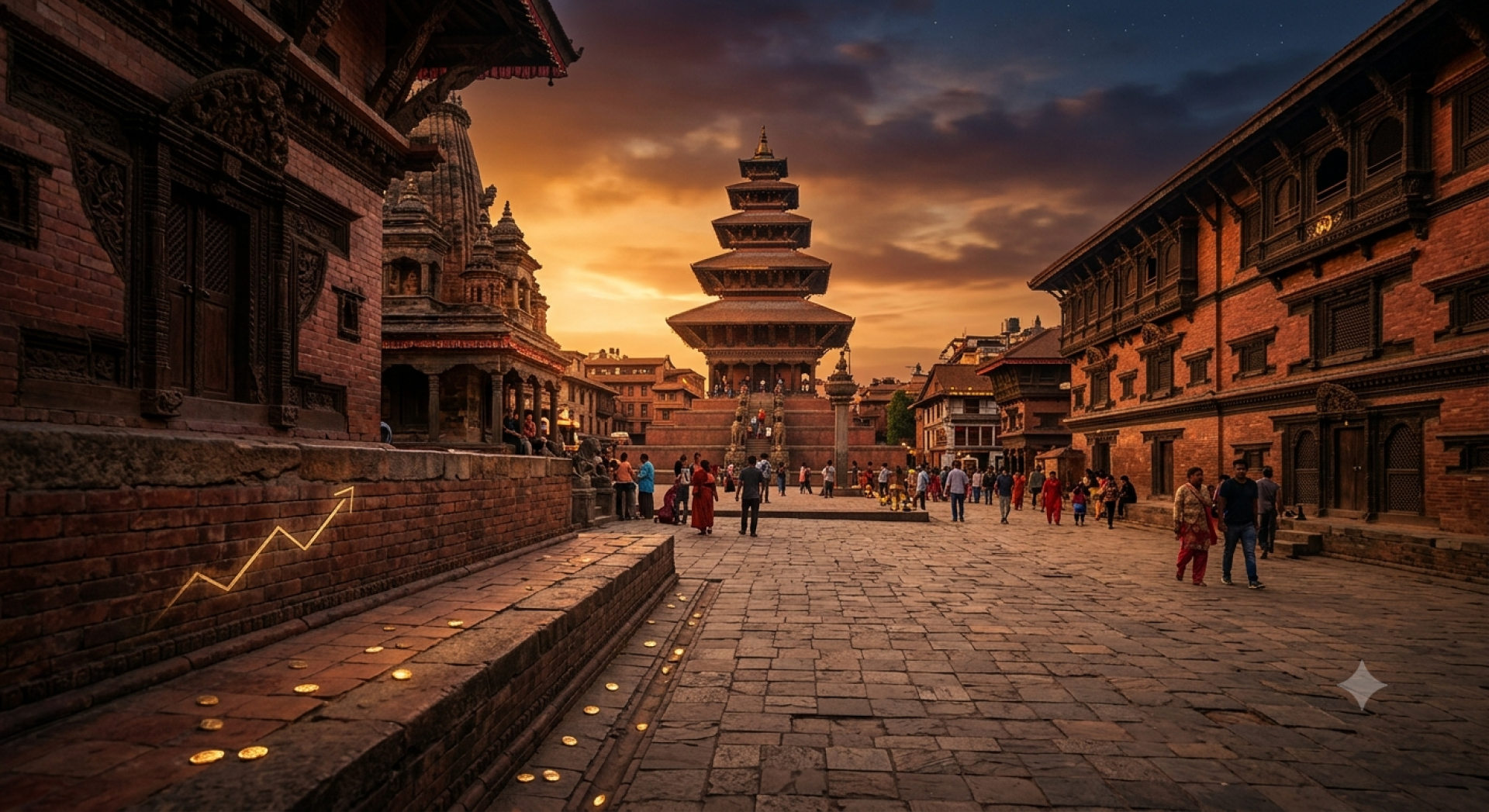
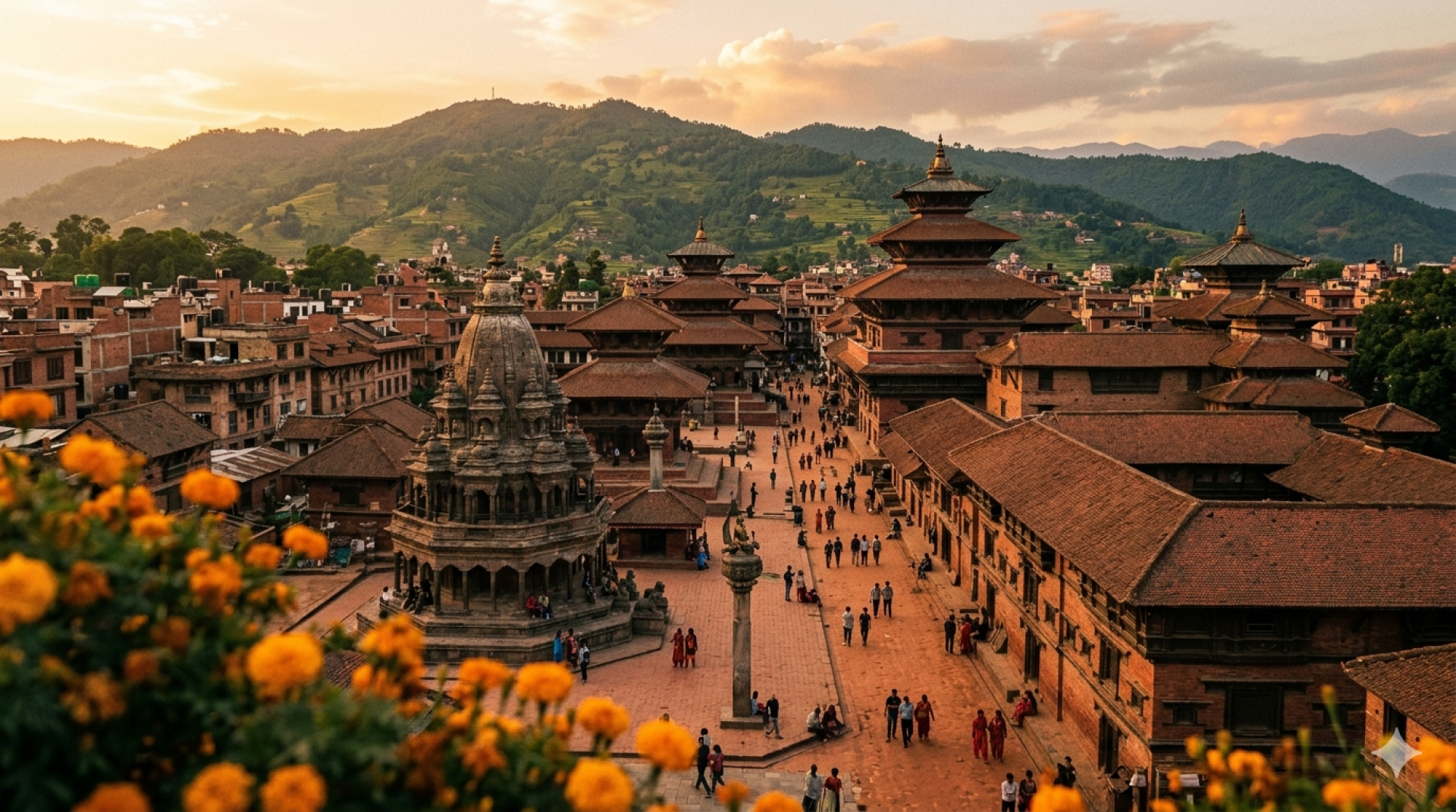
Bhaktapur is home to some of Nepal's most spectacular temples, courtyards, and living traditions. Growing up surrounded by centuries-old pagodas, intricate woodcarvings, and the Newari cultural calendar instills a deep sense of identity and pride in children from an early age.
The city's three major squares — Durbar Square, Taumadhi Square, and Dattatreya Square — aren't museum pieces; they're active gathering spaces where festivals unfold, elders share stories, and children play within earshot of history.
UNESCO Recognition: Bhaktapur's Durbar Square was inscribed as a UNESCO World Heritage Site. Raising children in a world heritage city is a priceless educational advantage that no classroom can replicate.
Strong Community Bonds & the "Village Within a City" Spirit
Bhaktapur retains an authentic neighborhood culture — called tole — where families know their neighbors, and community events are genuinely communal. Children grow up with multiple caring adults around them, not just nuclear family members.
- Guthi (social institutions) foster collective responsibility and mutual aid
- Children have built-in peer networks from the same tole
- Grandparents and extended families commonly live nearby
- Community watch is organic — everyone looks out for everyone's children
This kind of social infrastructure is increasingly rare in modern cities — and research consistently shows that children raised in tight-knit communities develop better emotional resilience and social intelligence.
Access to Quality Schools & Learning Environments
Bhaktapur hosts a growing number of well-regarded schools offering both national and English-medium curricula. The city's manageable size means schools are never too far from home, and daily commutes are short — leaving children with more time for rest, play, and family.
- Multiple reputable boarding and day schools within the city
- Bhaktapur Multiple Campus (TU affiliate) for higher education
- Low student-to-teacher ratios compared to Kathmandu metro schools
- Rich informal learning through cultural immersion and local craftspeople
The combination of formal academic infrastructure and the city's living cultural curriculum — pottery, woodcarving, traditional music — gives children a multidimensional education that enriches cognitive and creative development.
A Calmer, Safer Environment for Growing Families
Compared to central Kathmandu, Bhaktapur has significantly lower traffic density, less urban noise, and a more relaxed pace of life. The old city's pedestrian-friendly lanes and courtyards mean children can move more freely and independently — a freedom that is becoming increasingly rare for urban children.
The city's relatively low crime rate, combined with the social watchfulness of tight communities, makes Bhaktapur one of Nepal's safer places to raise children. Parents consistently report feeling at ease letting their kids explore the neighborhood on their own.
Affordable Cost of Living Without Sacrificing Quality
Housing, food, and schooling in Bhaktapur are noticeably more affordable than in central Kathmandu or emerging satellite cities. For families, this financial breathing room translates into reduced stress — a significant factor in healthy home environments.
- Rental costs significantly lower than Lazimpat or Thamel areas
- Local fresh produce markets keep grocery costs modest
- Strong tradition of home-grown vegetables in courtyards
- School fees competitive, with good value private options
Traditional Newari Food Culture & Nutritional Richness
Bhaktapur's food culture is extraordinary. From the world-famous Juju Dhau (King Curd) and Bara to seasonal vegetable preparations rooted in Ayurvedic principles, children in Bhaktapur grow up eating some of Nepal's most nutritionally rich and culturally meaningful food.
The presence of local dairy, grain mills, and vegetable markets means families have consistent access to minimally processed, fresh ingredients. This matters enormously for childhood development — physically, cognitively, and culturally.
Fun fact: Juju Dhau, Bhaktapur's iconic set yogurt, is made using a centuries-old clay pot method and is widely regarded as the finest curd in Nepal. Your children will grow up on it!
Festivals That Teach Values, Not Just Celebrate Them
Bhaktapur celebrates over a hundred festivals a year. Bisket Jatra, Indra Jatra, Gai Jatra, Dashain, Tihar — these aren't holidays from life; they are life. They teach children about gratitude, community service, the cycles of nature, and respect for the sacred.
- Children participate actively — not passively — in rituals from early age
- Festivals build intergenerational bonds between grandparents and grandchildren
- Moral lessons in mythology become lived experience, not abstract lessons
- The festive calendar creates a rhythm that anchors family life
Cleaner Air, Open Courtyards & Proximity to Nature
Bhaktapur consistently records better air quality indicators than central Kathmandu, thanks to its lower vehicle density, more open green spaces, and position at a slightly higher elevation. For families with young children — whose developing lungs are particularly sensitive — this is a meaningful health advantage.
The city's famous chowks (courtyards) offer children semi-private outdoor spaces that are both safe and stimulating. The Siddha Pokhari pond, the Kamal Binayak area, and the surrounding hills offer accessible natural retreats within minutes.
A City That Grows Creative, Skilled Children
Bhaktapur is Nepal's center for traditional crafts — pottery at Pottery Square, thangka painting, woodcarving, and bronze casting are living skills practiced and passed down daily. Children growing up here have unparalleled access to master craftspeople and hands-on creative learning.
- Pottery Square: children can learn clay work from master potters
- Thangka painting schools accept young learners
- Woodcarving traditions visible in every neighborhood
- Annual craft fairs and cultural exhibitions foster artistic appreciation
In an era where screens dominate childhood, Bhaktapur offers a countercurrent of tangible, maker-culture creativity rooted in centuries of excellence.
City Convenience Without City Chaos
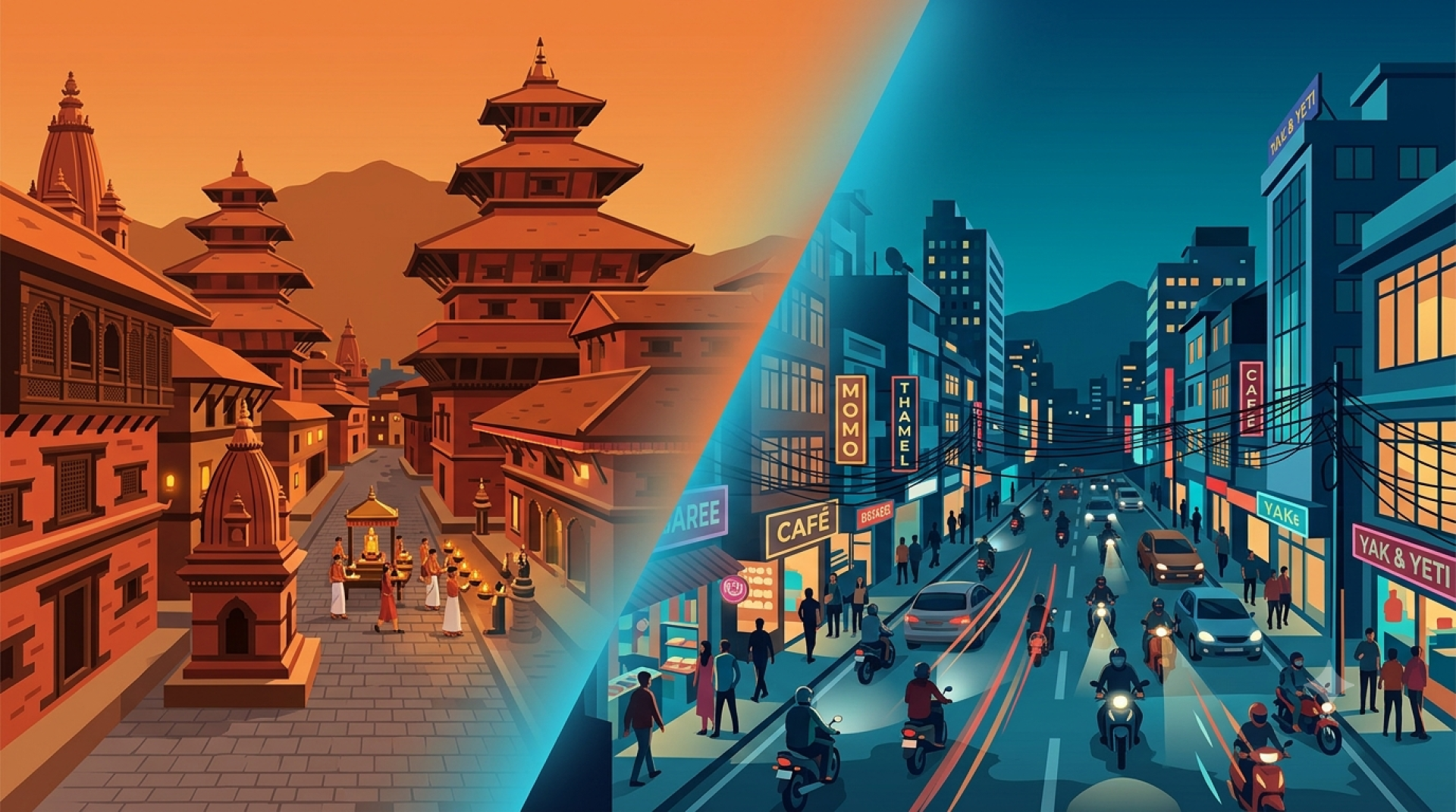
One of Bhaktapur's most practical advantages for modern families is its proximity to Kathmandu — just 12–15 km from the capital — while offering a dramatically different quality of life. Tribhuvan International Airport is reachable in 20–30 minutes. The Ring Road connects Bhaktapur to the Valley's commercial hubs.
This means parents can access Kathmandu's employment opportunities, hospitals, and services while returning home to Bhaktapur's calm in the evenings. Families get the best of both worlds: metropolitan connectivity and small-city living.
Growing infrastructure: Bhaktapur is seeing steady investment in roads, digital connectivity, and healthcare facilities — ensuring the city evolves with the needs of modern families without losing its essential character.
Bhaktapur: Where History Raises the Next Generation
Bhaktapur offers something rare in the modern world — a place where deep roots and forward momentum coexist. It's a city where children learn history by living it, where community is a daily reality, and where the pace of life still allows families to actually be together.
Whether you're a young professional considering where to settle, a family already in the Valley thinking of relocating, or an expat looking for an authentic Nepali home — Bhaktapur deserves serious consideration. It's not just a place to live. It's a place to belong.