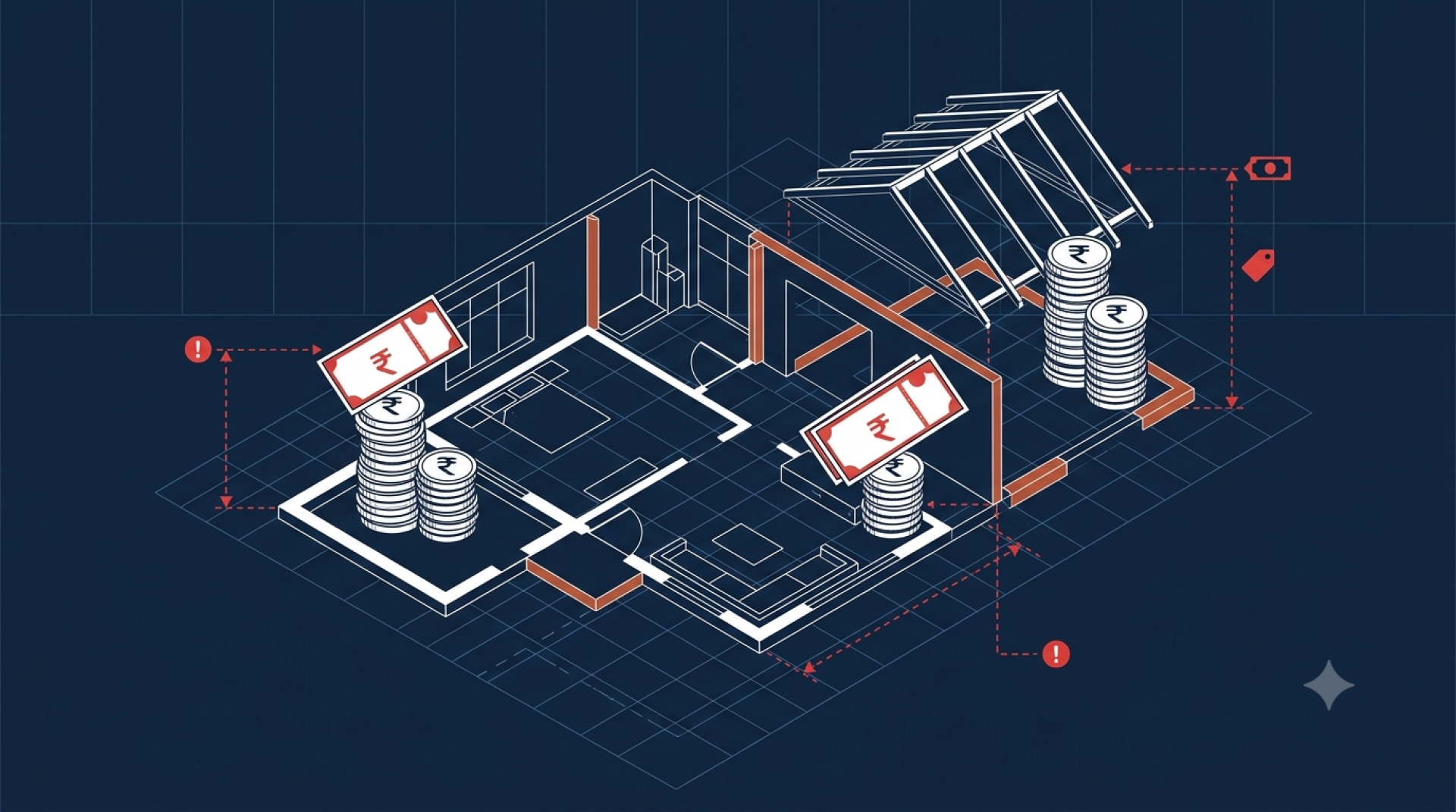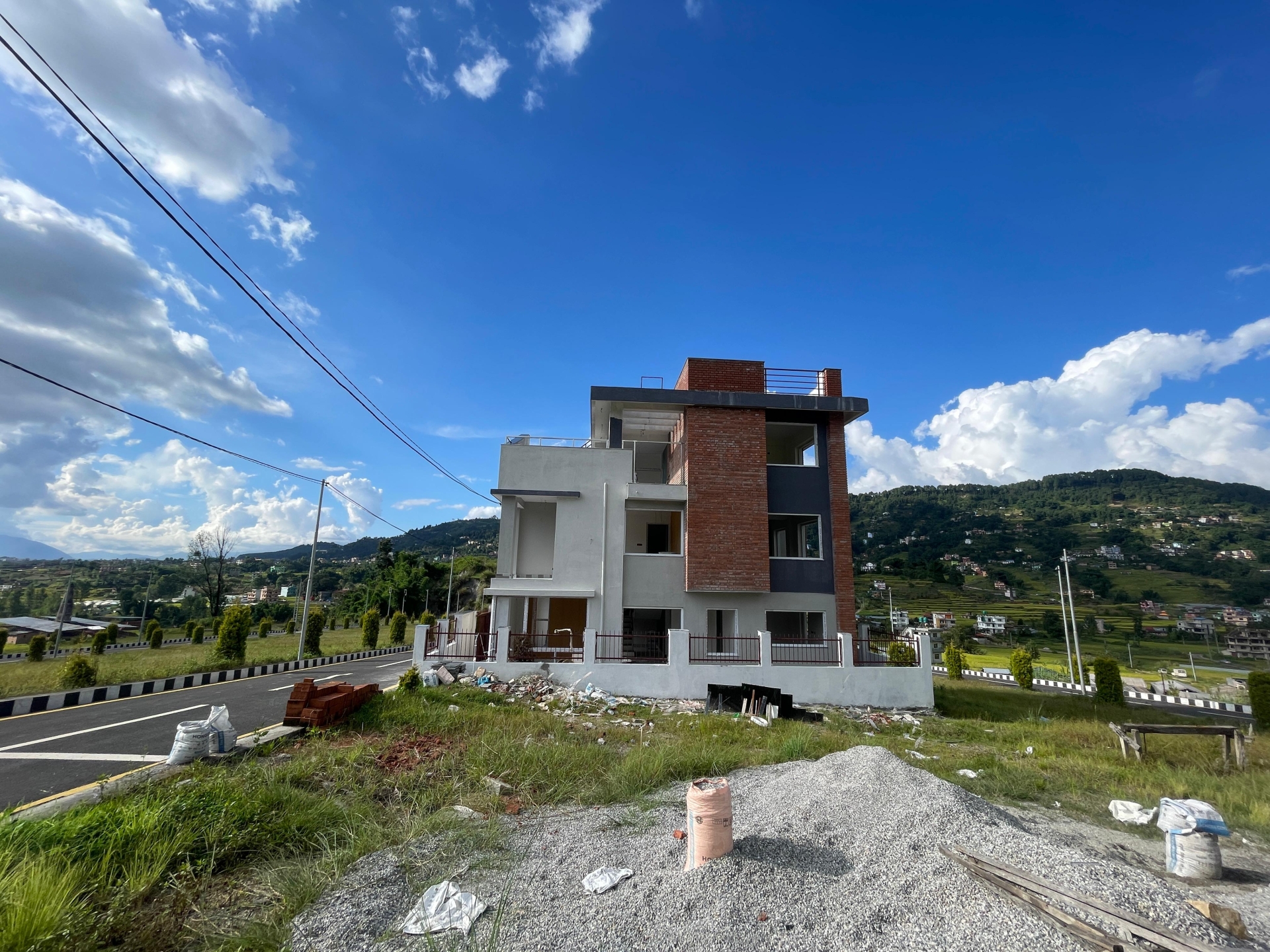
Buying a piece of land is a unique and exciting opportunity, whether you're planning to build your dream home, start a business, or make a long-term investment. However, the process is fundamentally different from buying a house and comes with its own set of challenges and considerations.
This comprehensive guide will walk you through every step, from defining your purpose to closing the deal, ensuring you make a smart and informed purchase.
Step 1: Define Your Purpose and Set a Budget
Before you start looking at listings, it's crucial to have a clear plan. How you intend to use the land will influence every decision you make, from location to the type of financing you seek.
Ask yourself:
- Are you building a primary residence?
- Is this for a recreational purpose like hunting or camping?
- Are you looking for a long-term investment?
Your purpose will directly impact your budget. Beyond the purchase price, you must consider additional costs, including:
- Closing costs (title search, attorney fees, recording fees)
- Property taxes
- Land surveys and environmental assessments
- Costs for installing utilities and road access
- Permits and future development costs
Step 2: Understand Your Financing Options
Financing land is different from getting a standard home mortgage. Lenders see undeveloped land as a higher risk, which often leads to higher interest rates and larger down payment requirements. Your loan options will also vary depending on the type of land you're buying:
| Land Type | Description | Financing Considerations |
|---|---|---|
| Raw Land | Completely untouched; no roads, power, or sewage systems. | Most challenging to finance; highest down payments and interest rates. |
| Unimproved Land | Has some basic amenities but is missing crucial utilities like electric and gas meters. | Less risky than raw land, but still requires larger down payments. |
| Improved Land | Partially developed with access to roads, electricity, and water. | Most favorable loan terms; lower down payments and interest rates. |
Common financing routes include:
- Bank or Credit Union Land Loan: Local institutions may offer better terms as they are familiar with the area.
- USDA Loan: If the land is in a qualified rural area and you plan to build your primary residence, you may be eligible for a USDA loan with affordable rates.
- Seller Financing: The seller acts as the lender, often requiring around 20% down with more flexible terms and lower credit requirements.
- Construction-to-Permanent Loan: If you're building immediately, this loan wraps the cost of the land and construction into one single loan.
Step 3: Find Land for Sale
Finding the perfect parcel requires a multi-pronged approach. While major online real estate platforms list land, some of the best opportunities are found through other means.
Effective strategies for finding land include:
- Work with a Specialist: Consult with a real estate agent who has the Accredited Land Consultant (ALC) designation. They specialize in land sales and have the expertise to guide you.
- Browse Specialized Websites: Search on sites like Land.com, LandWatch, and LandHub, which are dedicated to land listings.
- Drive Around Your Desired Area: Look for "For Sale By Owner" signs. You can often find unlisted properties this way.
- Check Government Listings: Search for land auctions on official government websites like Disposal.gsa.gov.
Step 4: Conduct Thorough Due Diligence and Research
This is the most critical phase of buying land. Failing to properly research a property can lead to costly surprises down the road. Never skip this step.
Key areas to investigate before making an offer:
Zoning and Land-Use Restrictions
Check with the local zoning authority to understand what you can and cannot build on the property. Are there any future construction plans nearby, like a road or shopping center, that could impact your enjoyment?
Utilities and Road Access
Confirm the availability of water, sewer, and electricity. If they are not available, you will need to budget for the high cost of installing a well, septic system, and bringing power to the site. Also, ensure there is legal, physical access to the property via a public road or a recorded easement.
Property Survey
Hire a professional surveyor to mark the exact property boundaries. This will alert you to any encroachments by neighbors and show you where you can legally build.
Environmental Factors
Review FEMA flood maps to see if the land is in a flood zone. Evaluate the topography and soil quality (percolation tests for septic are essential).
Title Search
Conduct a title search to ensure the seller has a clear right to sell the property and that there are no liens, claims, or other disputes on the title.
Step 5: Make an Offer and Close the Deal
Once your research checks out, you're ready to make an offer. Your written offer should include the purchase price, a description of the property, and, most importantly, contingencies to protect you.
Common contingencies in a land purchase agreement include:
- Successful completion of a land survey.
- Verification of zoning regulations.
- Securing necessary septic system permits.
- Satisfactory environmental tests.
Unless you are an experienced buyer, it's wise to have a real estate lawyer or licensed agent prepare or review the offer for you. If the seller accepts your offer, you'll move toward closing. At closing, you'll sign the final documents, pay the required funds, and the deed will be transferred to your name.
Bottom Line
Buying land can be a complex but incredibly rewarding process. By following this step-by-step guide—defining your purpose, securing financing, conducting thorough research, and negotiating with contingencies—you can navigate the journey with confidence. With careful planning and due diligence, you'll be well on your way to owning a valuable piece of property that meets your goals for years to come.